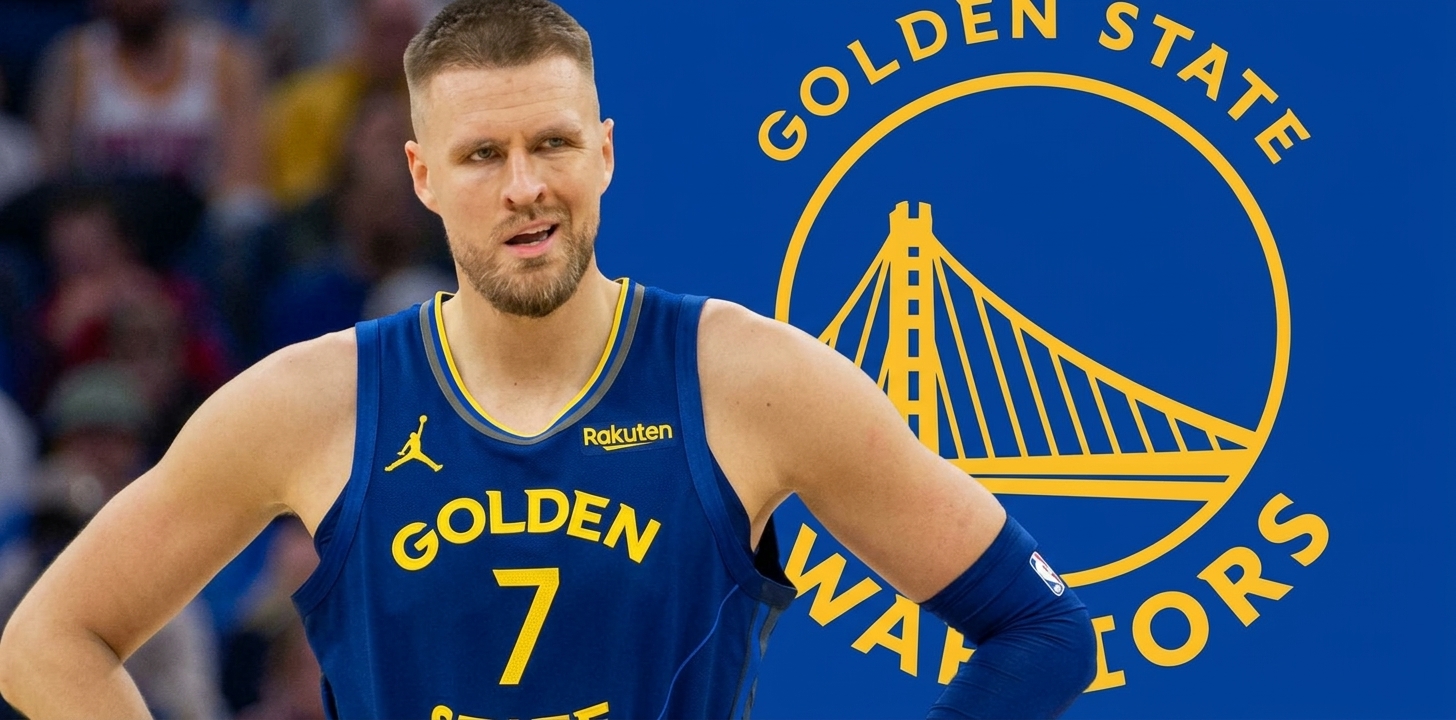
An uncomfortable story is developing around Golden State Warriors center Kristaps Porzingis. He’s reportedly losing millions of dollars because the Warriors believe he isn’t fulfilling his contract. But I wonder if we’re looking at this situation from the wrong end.
Porzingis is dealing with recurring symptoms of postural orthostatic tachycardia syndrome (POTS), a condition that can cause dizziness, rapid heart rate and serious fatigue. He hasn’t played since April 17, and his health problems have reportedly become serious enough that retirement is now something he’s weighing.
The Warriors are withholding payments on his $20-million salary, reportedly costing him $218,341 for every game he misses. His contract still counts against the team’s salary cap, and Golden State apparently isn’t happy with how Porzingis is handling his recovery. The organization wants more involvement, but Porzingis hasn’t been working out regularly at the team facility.
There’s a lot up in the air for Porzingis and the Warriors
That’s a difficult situation for everyone involved. Teams pay players to play, and they have responsibilities to their organizations. But health problems don’t always follow a convenient recovery schedule. Sometimes the athlete doesn’t know when he’ll feel normal again, never mind when he’ll be ready to compete.
What caught my attention was Porzingis’ October message to fans. He said he was working with doctors and experts, that he was gradually improving, and that he needed to remain patient. He also acknowledged the frustration of dealing with health issues that aren’t easy to pinpoint, on top of the injuries that have accumulated throughout his career.
I think that admission matters.

NBA players often play injured, but this syndrome is different.
Professional athletes spend their careers pushing through discomfort, recovering from injuries and finding ways to get back on the court. But at some point, pushing harder isn’t the answer. Sometimes the most difficult thing an athlete can do is slow down and accept that getting healthy takes time.
Golden State may explore trade possibilities before the deadline, but finding a team willing to take on a player with such an uncertain future won’t be easy. Porzingis is also facing a much bigger question than where he’ll play next.
Warriors fans might be disappointed that they aren’t getting the player they expected. That’s understandable. But I hope we don’t lose sight of the person behind the contract.
If his health improves, Porzingis has more seasons remaining.
At 31, Porzingis still has basketball left in him if his health permits. Whether that happens is anybody’s guess. For now, the most important thing may not be how much money he’s losing or whether Golden State can move his contract.
It’s whether he can get his health back. Basketball can wait.
Related: Russell Westbrook’s Greatest Assist Might Have Come Off the Court